Best Time to Visit Zakopane from Krakow: Weather by Month & What's Open
Day tours to Zakopane run from Krakow all year, with snow activities from December to February and electric buses towards Morskie Oko lake in the warmer months. September is the best overall time for a first sightseeing trip, with less rain than the summer months and the school holidays over. This guide compares the months, explains what is open in each season, and lets you check the conditions for your own date.
If snow is the reason for your trip, or your dates are already fixed, use the date checker below to see if the lifts are open, if your date falls in a Polish school holiday, the weather in Zakopane and how much daylight you will have.
Zakopane day trips from Krakow are available year-round, though snowmobile tours need snow. The classic day, with the Gubałówka funicular to a viewpoint facing the Tatra peaks, Krupówki street and the thermal baths, is offered in every season. The main difference between months is which other trips you can choose. Snowmobile and sleigh-ride days are offered in winter, while Tatra National Park’s electric buses on the 8 km road to Morskie Oko lake run only in the warmer months.
If your dates are flexible, September offers the best overall balance for a first sightseeing day trip. The weather is mild, with average highs in Zakopane of about 16°C and less rain than in any month from May to August, and the Polish summer school holidays are over. August is a close second: about 5°C warmer, but the busiest month for visitors to the Tatras.
For snow, choose December to February, the coldest months, when snow is likely but not guaranteed in town. The days are short, and the Polish school winter holidays, from mid-January to the end of February, bring more visitors. Outside the Easter break (March 25 to 30, 2027), March falls between the school holidays and is usually a quieter time to visit Zakopane.
On the day, check the Zakopane forecast: cloud can hide the Tatra views from Gubałówka. The funicular and the Kasprowy Wierch cable car are open most of the year but each close for maintenance for several days to three weeks in spring and fall, on dates set each year. The next closure is the funicular’s, from November 16 to 27, 2026, when a replacement bus runs. Strong wind, including the warm halny, can stop the cable car, which most day trips do not include. In winter, read the Tatra mountain rescue service (TOPR) avalanche bulletin before walking into the mountains.
- Best overall for a first sightseeing day trip:
- September
- Warmest weather, but the busiest month:
- August
- Longest days, but more rainy days:
- June
- Warm but often wet:
- July
- Coldest months, snow likely in town:
- December to February
- Polish school winter holidays, busier:
- January and February
- Quieter, still wintry, longer days:
- March, outside the Easter break
- Gubałówka funicular closed for maintenance:
- November 16 to 27, 2026
- Most useful checks for your date:
- Cloud, wind gusts, rain, lift status
- About 21°C against 1°C average high in Zakopane in August against January
- About 111 mm against 192 mm average rain in September against July, so pack a rain jacket in summer
- About 16 hours against 8 daylight in mid-June against mid-December, on a day trip of 10 to 12 hours
Check Availability
Same ride, also on Viator
From $114 per person · ★ 4.9 from 13,790+ Viator reviews
Each platform sets its own price and collects its own reviews, so compare both before you book on GetYourGuide.
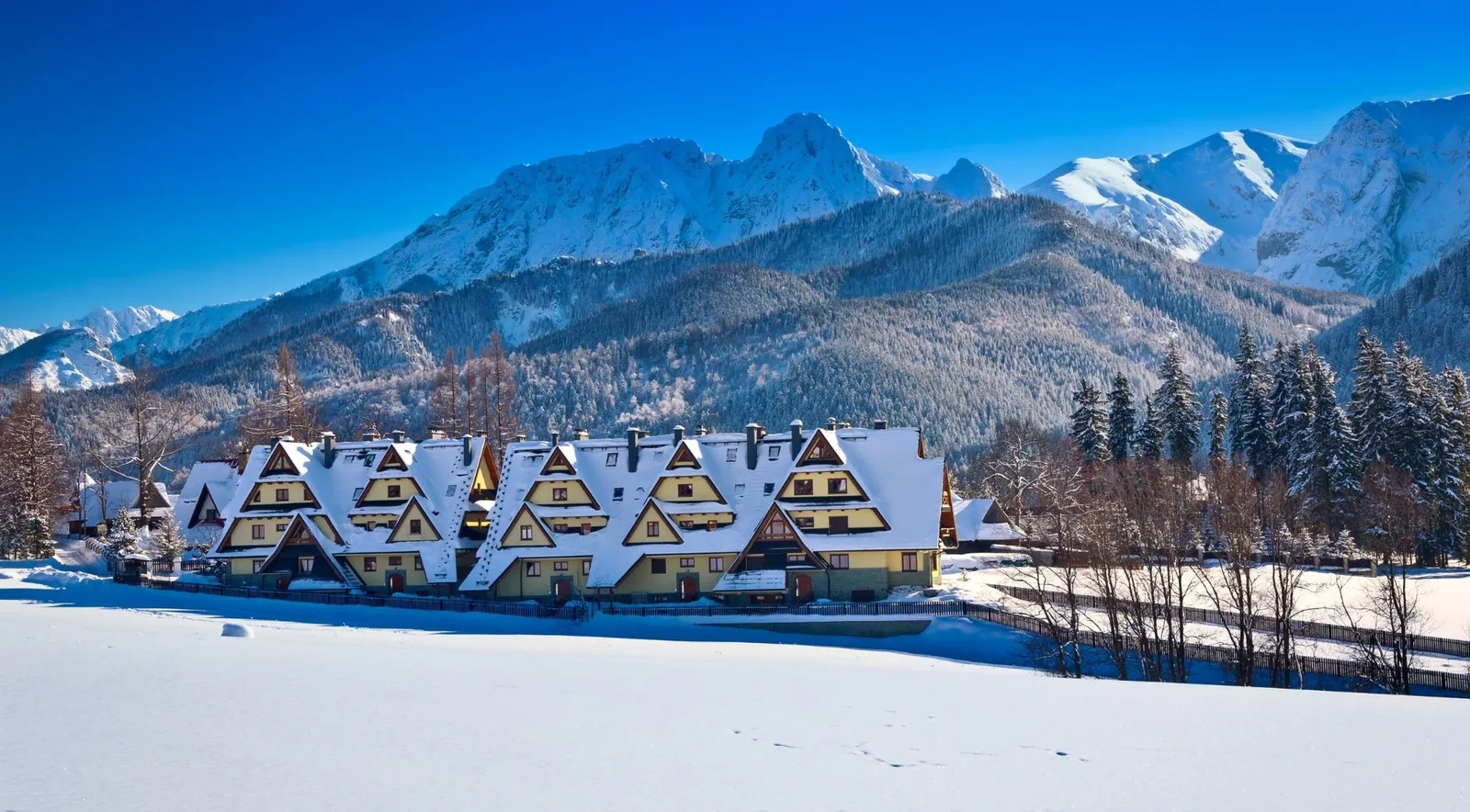
What each season is like on a Zakopane day trip
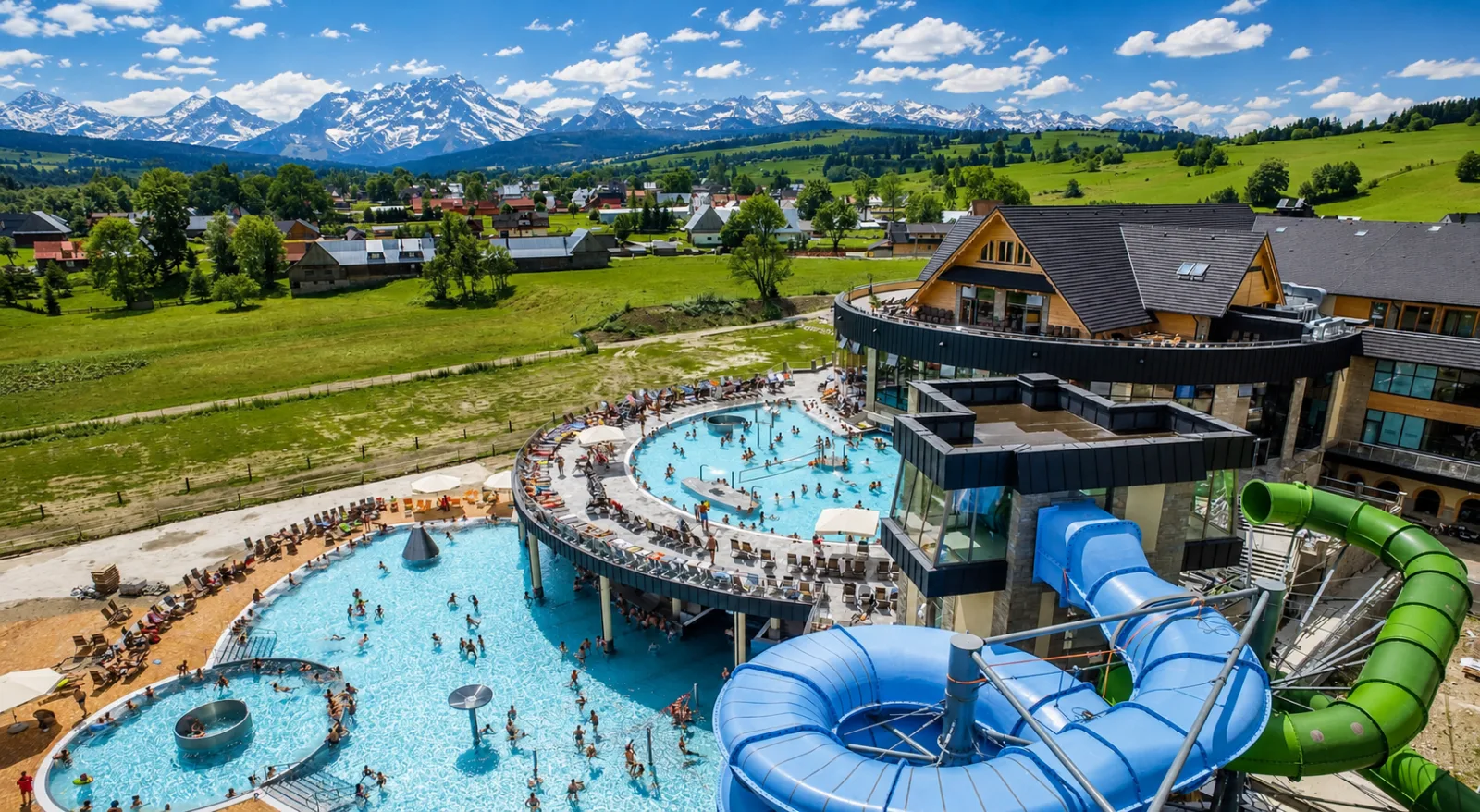
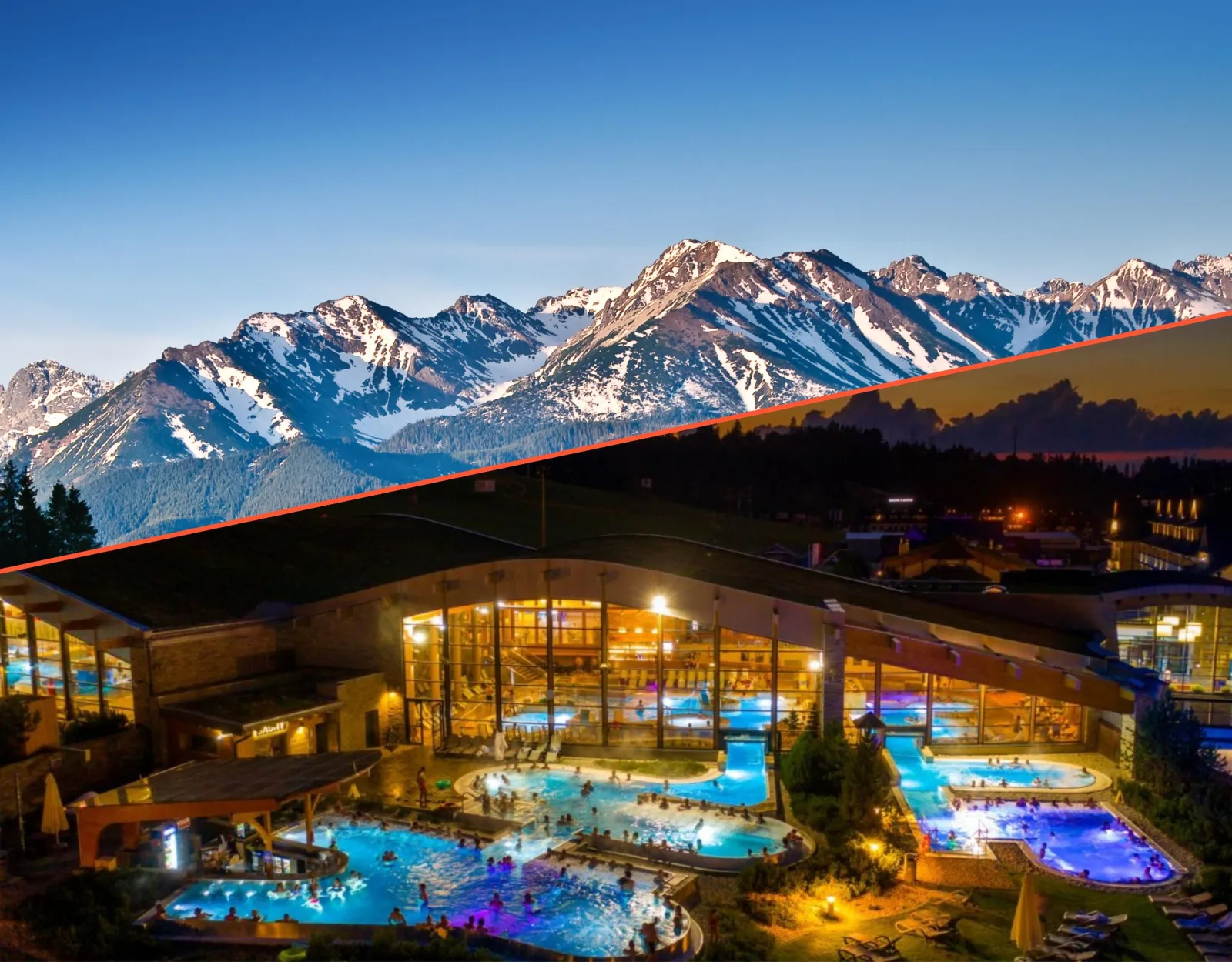
A day trip from Krakow takes the Zakopianka road south for about two hours each way, then usually gives you the Gubałówka funicular, free time on Krupówki street and two to three hours in the thermal baths at Chochołów or Białka Tatrzańska. The pools are kept at about 32 to 38°C all year, so the baths work in every month. The season changes the weather in town, the chance of snow, the length of the day and how busy the town is.
Summer, June to August. These are the warmest months in Zakopane, with average highs of about 20 to 21°C, and the days are long: about 16 hours of daylight in mid-June. June and July are also the wettest months: July averages about 192 mm of rain, the most of the year, on about 18 days. The Polish summer school holidays run from late June to the end of August, and August was the busiest month of 2025 in Tatra National Park, with about 1.1 million visits. Summer is a popular time for the walk to Morskie Oko lake, and the park’s electric buses run part of that road in the warmer months (until November 10 in 2026).
Fall, September to November. September is drier than any summer month, with about 111 mm of rain on about 14 days and average highs of about 16°C, and the school holidays are over. October is cooler, at about 12°C, and the days shorten to about 11 hours. PKL closes the Kasprowy Wierch cable car for maintenance in the second half of October (October 19 to November 6 in 2026), and the Gubałówka funicular for its own inspection in late November (November 16 to 27 in 2026, with a replacement bus). November is cold, with an average high of about 7°C and about 9 hours of daylight, and it is the month when the halny, the warm, gusty mountain wind of the Tatras, blows most often. Our guide to Zakopane in November covers what is open that month.
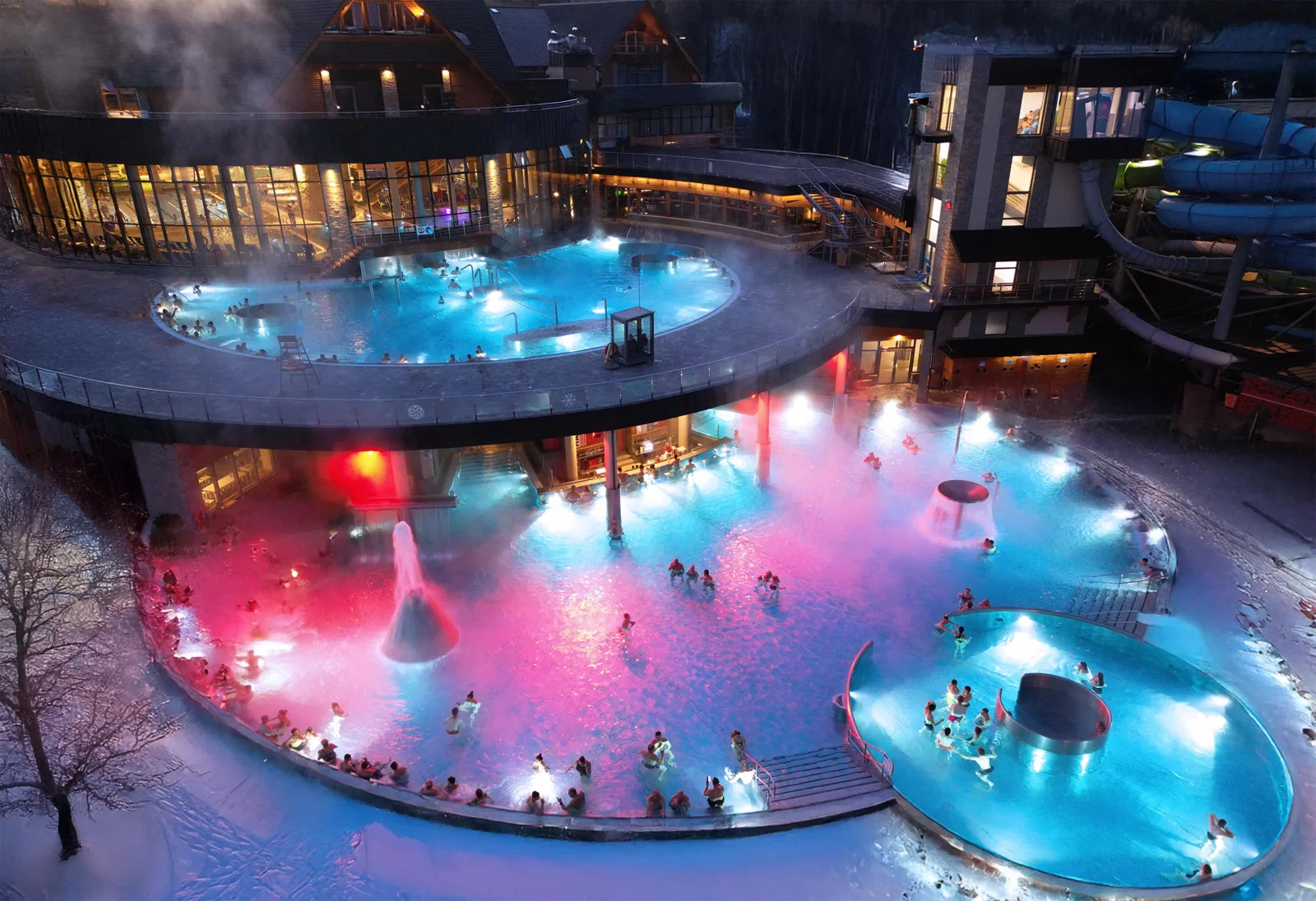
Winter, December to February. These are the coldest months, with average highs of about 1 to 2°C and average lows of about −6 to −7°C, so snow is likely in town but not guaranteed on every date. Snowmobile tours, sleigh rides and the outdoor thermal pools are at their best in snow, and the Kasprowy Wierch ski runs rely on natural snow, with no snowmaking. The days are short, at about 8 to 10 hours, so much of the drive back from a 10 to 12 hour tour runs in darkness. Christmas and New Year, the Ski Jumping World Cup at Wielka Krokiew (January 15 to 17, 2027) and the school winter holidays from mid-January to the end of February are the busy weeks. Our guide to Zakopane in winter covers the season in detail. To compare the snow month by month, see our guide to does Zakopane have snow.
Spring, March to May. March is still wintry, with an average high of about 5°C and an average low below freezing, but it has about 12 hours of daylight and, outside the Easter break (March 25 to 30, 2027), it falls between the school holidays. April is milder, at about 11°C. May warms to about 16°C but is much wetter, with about 142 mm of rain. PKL closes the lifts for spring maintenance: in 2026 the funicular to Gubałówka from April 13 to 17 and the Kasprowy Wierch cable car from May 4 to 22. In late March and April, Tatra National Park’s crocuses flower in the meadows of Dolina Chochołowska, a valley west of town that a standard day trip does not visit.
Which tour fits your month
The Krakow–Zakopane day with the Gubałówka funicular, Chochołów baths and a cheese tasting is the one to look at first in any season: Thousand Miles runs it with hotel pickup, a guide, the funicular and three hours at Chochołowskie Termy, and it is rated 4.8 from more than 11,000 reviews on GetYourGuide. The same day is also offered on Viator as Zakopane, Gubałówka Funicular and Chochołów Thermal Baths from Krakow, where its schedule shows departures every day through the winter. From November 16 to 27, 2026, while the funicular is closed, ask the operator how the group gets up the hill. Our page on Zakopane day trips from Krakow compares the other classic days.
In winter, a snowmobile day such as the Zakopane snowmobiles, bonfire and hot springs tour adds a ride on private land outside the national park, but it depends on snow. Our Zakopane snowmobile tours page compares the options and what happens when there is too little snow. The Morskie Oko, SkyWalk Poronin and Zakopane day includes the walk to the Tatras’ largest lake, about 8 km each way on a paved road; see our Morskie Oko tours from Krakow page.
Other day trips to Zakopane and the Tatras
More day trips from Krakow to Zakopane and the Tatra Mountains: snowmobile and sleigh-ride days in winter, quad rides, the walk to Morskie Oko and evening trips to the thermal baths all year.
Zakopane weather by month
These are long-term averages from IMGW-PIB, Poland’s national meteorological service, for its Zakopane station at about 855 m, in the town. The Gubałówka viewpoint is about 300 m higher and the top of Kasprowy Wierch about 1,100 m higher, so expect both to be colder and windier than these figures: Kasprowy Wierch’s average high in July is about 12°C. Daylight is computed for mid-month.
| Month | Average high and low | Rain and snow | Days with rain or snow | Daylight | For a day trip |
|---|---|---|---|---|---|
| January | 1°C and −7°C | 47 mm | 17 | 8 hr 38 min | Coldest month; snow likely; ski jumping World Cup; our Zakopane in January guide |
| February | 2°C and −6°C | 51 mm | 16 | 10 hr 8 min | Snow likely; school winter holidays |
| March | 5°C and −4°C | 61 mm | 17 | 11 hr 49 min | Still wintry; longer days; quieter outside Easter |
| April | 11°C and 1°C | 81 mm | 16 | 13 hr 42 min | Milder; funicular inspection in mid-April in 2026 |
| May | 16°C and 6°C | 142 mm | 19 | 15 hr 18 min | Much wetter; Kasprowy Wierch maintenance in 2026 |
| June | 20°C and 9°C | 149 mm | 18 | 16 hr 13 min | Longest days; frequent rain |
| July | 21°C and 11°C | 192 mm | 18 | 15 hr 52 min | Warm but the wettest month; school holidays |
| August | 21°C and 11°C | 125 mm | 15 | 14 hr 27 min | Warmest; the busiest month |
| September | 16°C and 7°C | 111 mm | 14 | 12 hr 40 min | Best overall balance; holidays over |
| October | 12°C and 2°C | 81 mm | 15 | 10 hr 51 min | Cool; Kasprowy Wierch maintenance late in the month |
| November | 7°C and −2°C | 60 mm | 16 | 9 hr 9 min | Cold; halny most frequent; funicular inspection |
| December | 2°C and −6°C | 45 mm | 17 | 8 hr 13 min | Snow likely; shortest days; holidays at the end; our Zakopane in December guide |
The rain column is the total depth of rain and melted snow across a whole month, not a daily amount, so a high figure means more or heavier rain on the wet days rather than a constant downpour. The days column counts days with any measurable rain or snow. These are averages over many years, and a single day can be warmer, colder or wetter.
What is open month by month
The Gubałówka funicular, run by PKL, climbs about 300 m from the edge of Krupówki to the ridge facing the Tatras, and most classic day trips include a return ride. It runs year-round apart from short maintenance inspections, which in 2026 were April 13 to 17 and are November 16 to 27, when PKL runs a replacement bus from the lower station from 9:30 a.m. to 7:00 p.m. In November 2026 it is open from 9:00 a.m. to 8:00 p.m. Our Gubałówka funicular tickets guide covers fares and hours.
The Kasprowy Wierch cable car runs from Kuźnice to just below the 1,987 m summit and is not included on most day trips; it needs a separate, timed ticket that includes entry to Tatra National Park and gives about 1 hour 40 minutes in total before your booked ride down. PKL closes it for maintenance in spring and fall, in 2026 from May 4 to 22 and from October 19 to November 6. From November 7 to 24, 2026, it runs from 8:00 a.m. to 4:00 p.m., with the last ride up at 2:00 p.m.; hours are longest in July and August. Strong wind can stop it, and PKL then refunds the ticket in full.
The thermal baths. Chochołowskie Termy is open Sunday to Thursday from 9:00 a.m. to 10:00 p.m. and on Friday and Saturday until 11:00 p.m., with pools at about 32 to 38°C indoors and out. Terma Bania in Białka Tatrzańska, which some tours use instead, keeps its pools at about 34 to 38°C. A snowy day in the outdoor pools is one of the main reasons to come in winter.
Morskie Oko and Tatra National Park. The park is open all year, with an entry fee of 11 PLN for adults, and from March 1 to November 30 its trails are closed between dusk and dawn. The road to Morskie Oko is closed to cars, so you walk about 8 km each way from Palenica Białczańska, and the park advises at least 7 hours for the outing. Its electric buses run only in the warmer months (until November 10 in 2026), and since September 1, 2026 the horse-drawn carts go only as far as Wodogrzmoty Mickiewicza, about 3 km up the road. In winter, avalanches can reach parts of that road: a large one came down the Żleb Żandarmerii gully above it in February 2023.
How busy Zakopane gets
The busy times follow the Polish school calendar. For 2026/27, the Christmas break is December 23 to 31, the two-week winter holidays run in turns between January 18 and February 28 (in the Krakow region, Małopolska, from February 15 to 28; our guide to Zakopane in February lists every region), the Easter break is March 25 to 30, and the summer holidays run from June 26 to August 31, 2027. Expect the most people on Krupówki, at the lifts and on the road in those weeks and at weekends; local radio describes weekend traffic jams on the Zakopianka road as routine.
August is the peak. Tatra National Park counted about 5.3 million visits in 2025, a record, and August was the busiest month, with about 1.1 million. The regional statistics office’s monthly accommodation figures for the whole Małopolska region, which includes Krakow, also peak in August: about 763,000 guests in August 2025 against about 592,000 in September and about 439,000 in March, the lowest month. That series covers the whole region and every kind of trip, so it is a guide to the pattern, not a count of people in Zakopane.
Weather, wind and the road on the day
Cloud can hide the Tatra views from Gubałówka in any month, so check the forecast for Zakopane rather than Krakow’s. Krupówki and the thermal baths are still a good day out under a gray sky, and the warm pools are pleasant in rain or snow.
The halny is a warm, dry and gusty wind that blows down from the Tatras, most often from October to February and most of all in November. Strong wind, including the halny, can stop the Kasprowy Wierch cable car; PKL then refunds the ticket in full, so if Kasprowy is important to you, check PKL’s status on the morning and keep the afternoon flexible.
In winter, the TOPR mountain rescue service publishes an avalanche bulletin for the Tatras. A day trip that stays in town, at Gubałówka and in the baths is not affected, but check the bulletin before any walk into the mountains, including the road to Morskie Oko. On a coach or minibus tour the operator handles the drive, but the two-hour road from Krakow can take much longer at weekends and in the holiday weeks.
Check your date
Choose a date to see if the Gubałówka funicular and the Kasprowy Wierch cable car are open, if it falls in a Polish school holiday, the weather in Zakopane and how much daylight you will have. Within about two weeks of the date the card shows the forecast, including wind gusts and cloud; further ahead it shows long-term averages.
In general, both lifts run year-round apart from maintenance closures of a few weeks in spring and fall, and average highs in Zakopane range from about 1°C in January to about 21°C in July and August.
Lift dates are PKL’s published dates, which can change with weather and conditions. Averages are IMGW-PIB figures for Zakopane; forecasts are from Open-Meteo.
If your booking has free cancellation, you can book once your dates are fixed and look at the forecast again before the deadline; read the booking terms first. For what to see on the day, see things to do in Zakopane in one day, and for summer walks and the lake, Zakopane in summer.
How we know
Sources and method
- Weather: IMGW-PIB’s 1991–2020 climate normals for the Zakopane station (855 m) and the Kasprowy Wierch station (1,987 m), from the IMGW climate normals service, with the monthly average high, average low, precipitation and days with precipitation as tabulated from those normals on November 7, 2026. These describe the town, not the Gubałówka ridge or the high peaks.
- Daylight: computed for Zakopane (49.30° N) with the NOAA solar-position method, for the 15th of each month in 2027; accurate to a few minutes.
- Lifts: PKL’s news posts on the Kasprowy Wierch fall inspection and the Gubałówka replacement bus, its published opening-hours calendars, and the Kasprowy Wierch FAQ (timed tickets, park entry, wind stops and refunds), read on November 7, 2026, when the Kasprowy Wierch cable car was shown as operating again. PKL has not yet published its 2027 maintenance dates or Kasprowy Wierch hours after November 24, 2026.
- Thermal baths: the Chochołowskie Termy and Terma Bania websites, read on November 7, 2026.
- Tatra National Park: the park’s pages on entry fees, the trail bulletin, Morskie Oko, the electric buses and the horse-drawn carts, read on November 7, 2026. Avalanche bulletins are from TOPR.
- Visitors: Tatra National Park’s 2025 entry figures as reported by Radio Kraków, and the Statistical Office in Kraków’s monthly accommodation series for Małopolska in 2025 (Tourism in Małopolskie Voivodship in 2024 and 2025). Neither publishes a monthly count for the town of Zakopane.
- School holidays: the Ministry of Education’s 2026/27 school calendar, as reported by RMF24. Ski jumping: the FIS World Cup calendar as listed by ticket sellers; check the organiser’s dates before you plan around it.
- Halny: a study of foehn winds at Kasprowy Wierch in Acta Geophysica (2024).
- Road: Radio Kraków’s traffic reports on the Zakopianka at weekends and around New Year.
- Tours: the GetYourGuide and Viator listings for the tours named on this page, read on November 7, 2026, including the Viator departure schedule for the Thousand Miles day.
- Forecast: the date checker reads Open-Meteo’s forecast for Zakopane for 9 a.m. to 5 p.m. within about two weeks of the date, and the IMGW averages beyond.
- What these numbers cannot tell you: the snow-cover figures for the Zakopane station that circulate online could not be matched to IMGW’s own pages, so this page gives no count of snowy days and says only that snow is likely in the coldest months. The weather figures are long-term averages, not a forecast for your day.
Frequently asked questions
What is the best month to visit Zakopane from Krakow?
If your dates are flexible, September offers the best overall balance for a first sightseeing day trip. Average highs in Zakopane are about 16°C, there is less rain than in any month from May to August, and the Polish summer school holidays are over. August is a close second: about 5°C warmer, but the busiest month for visitors to the Tatras.
Is it better to visit Zakopane in summer or winter?
It depends on what you want from the day. Late summer and September suit a sightseeing day with the Gubałówka views, Krupówki street and the mountain walks, and the park's electric buses towards Morskie Oko run only in the warmer months. December to February are the coldest months, with average highs around freezing, and they suit snowmobile tours, sleigh rides and a steaming outdoor thermal pool, with short days and busy school-holiday weeks.
Is there snow in Zakopane in December?
Often, but not on every date. December in Zakopane has an average high of about 2°C and an average low of about −6°C, so snow is likely, but a mild spell can leave the town wet while the peaks above it are white. Snowmobile tours depend on snow, so check your tour's plan for a day with too little.
Is October a good time to visit Zakopane?
Yes, for a cool sightseeing day with the thermal baths. October has an average high of about 12°C, less rain than any month from May to August, and about 11 hours of daylight in mid-month. PKL closes the Kasprowy Wierch cable car for its fall maintenance in the second half of the month (October 19 to November 6 in 2026), and the funicular to Gubałówka keeps running in October.
Is the Gubałówka funicular open in November?
For most of the month. In 2026 the funicular is closed for its fall maintenance inspection from November 16 to 27 and reopens on November 28. While it is closed, PKL runs a replacement bus from the lower station between 9:30 a.m. and 7:00 p.m. Most Zakopane day trips include the funicular, so check how your tour handles these dates.
When is the Kasprowy Wierch cable car closed?
PKL closes it for maintenance for a few weeks in spring and in fall: in 2026 from May 4 to 22 and from October 19 to November 6. It also stops in strong wind, including the halny, and PKL then refunds the ticket. Tickets are for a set departure time, so book ahead in summer and during the school holidays.
When is Zakopane busiest?
In the Polish summer school holidays, from late June to the end of August, with August the busiest month for visitors to Tatra National Park in 2025; during the school winter holidays, which run in turns from mid-January to the end of February; and around Christmas and New Year. Weekends are busier than weekdays, and the road from Krakow is often congested on them.
Dates Fixed?
The classic Zakopane day from Krakow, with hotel pickup, the Gubałówka funicular, a cheese tasting and three hours at the Chochołów thermal baths, is offered on most dates of the year. Check what it includes on your date before you book.
Check Availability & Book